
ZIPLINE UAE | High-Performance Indoor and Outdoor Surfaces for Schools, Clubs, and Hotels
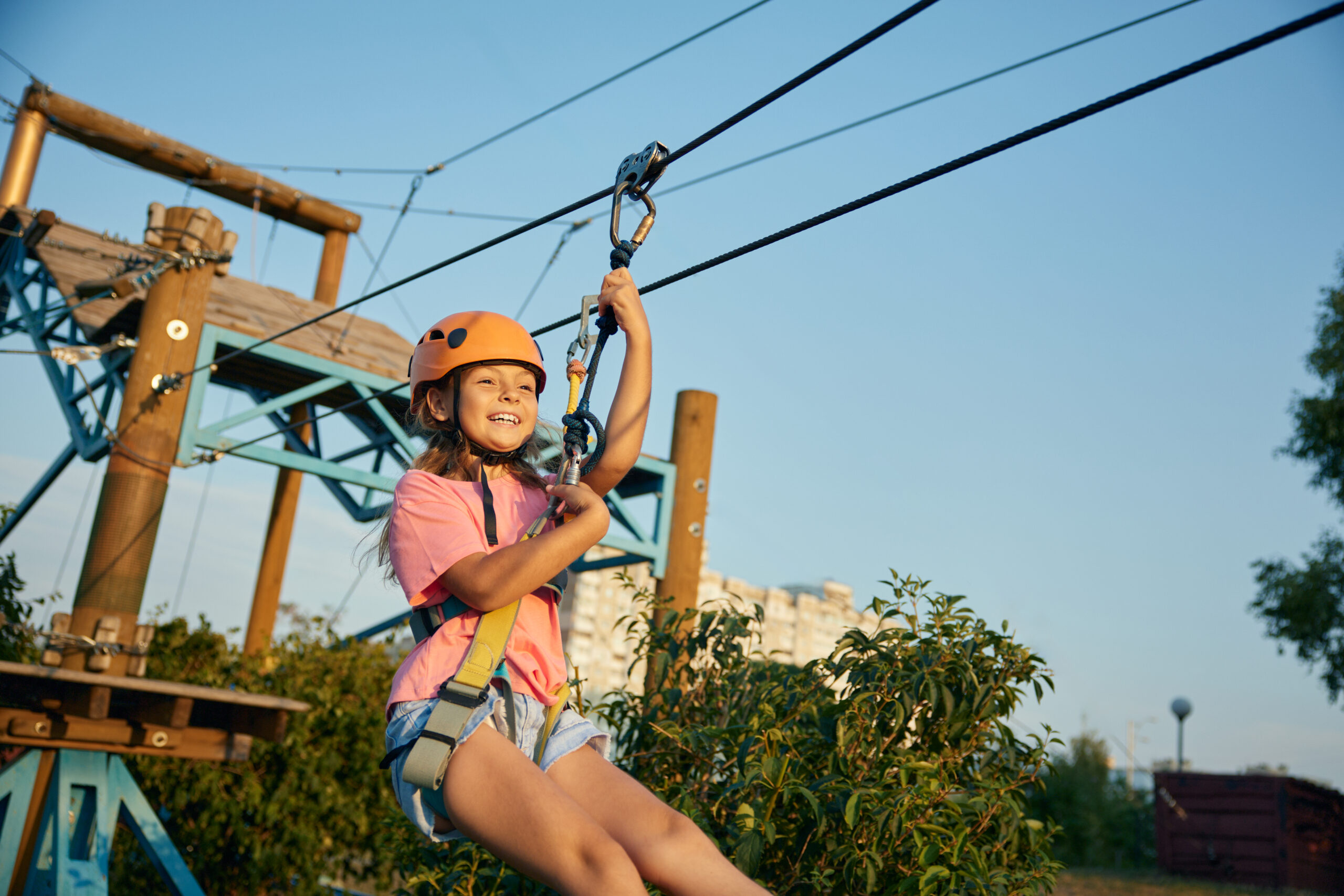
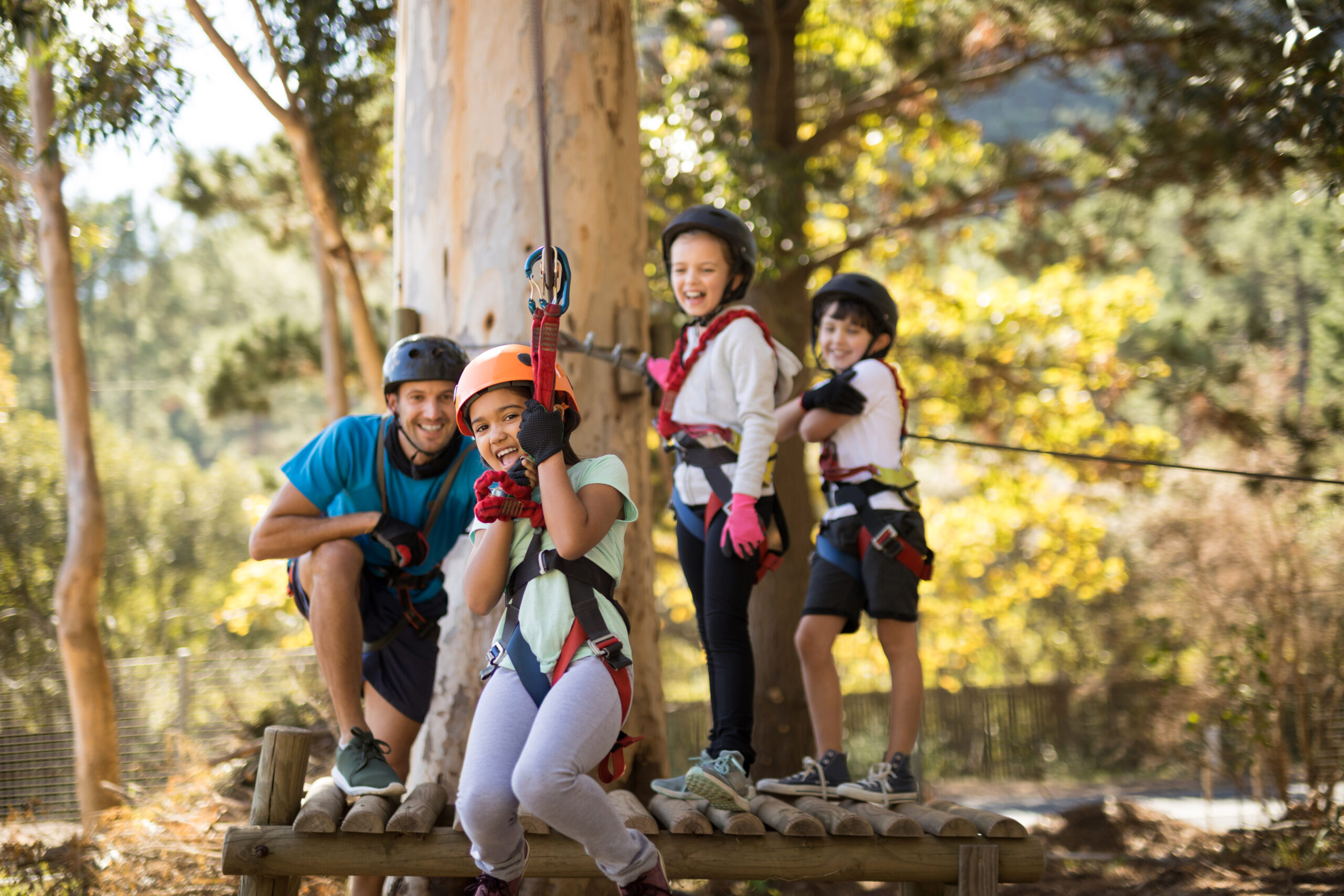
A zipline is an aerial ride system where a rider travels along a tensioned cable from a higher point to a lower point using a trolley, harness, and controlled braking system that is designed for fun, adventure, and safe repeat use. It can be installed for private homes, resorts, and public parks, with the ride length and speed tailored to the site layout and desired experience. For safety and reliability, the system requires proper engineering, certified equipment, and routine inspections as part of ongoing operation.
Key Features:
Flexible lengths (25–200 m): Scalable to different site sizes and rider experiences
Turnkey delivery: Design, supply, installation, and handover support
Site-ready integration: Layout planning, anchoring solutions, and equipment selection to suit the location Commercial-grade
components: Trolleys, harness systems, and braking solutions designed for repeat use Operation support:
Guidance on basic operating procedures, inspection routines, and user safety rules
What We Offer
EduPark provides end-to-end zipline solutions from 25 m up to 200 m, designed for private villa installations as well as public parks and government projects across the UAE, including Sharjah and Ajman. From planning and engineering to supply, installation, and commissioning, each system is built to deliver a smooth ride experience with a strong focus on safety, durability, and long-term operational reliability.
Materials & Build Quality
Built for long-term outdoor use, our ziplines are supplied using European-grade materials, including high-strength steel cable, weather-resistant hardware with anti-corrosion finishing, and UV-stable ropes, handles, and seat components. Each system is designed and installed to follow applicable international safety standards, ensuring reliable performance, user safety, and durability in harsh sun and changing outdoor conditions.
Safety & Standards
Our Safety Commitment We follow and exceed global safety codes, ensuring every project meets the highest levels of engineering, safety, and operational excellence.
Standards We Follow ANSI/ACCT 03-2019 (USA): Requirements for zipline design, engineering, operation, inspection, and training ASTM F2959-18 (USA): Standards for aerial adventure courses and large commercial ziplines, including the latest technical updates (March 2025) EN 15567 (EU): Standard for design, installation, supervision, and periodic inspection of ropes courses and ziplines UIAA & Regional Standards: Certified equipment, accessory cords, harnesses, and braking systems aligned with climbing/outdoor safety codes
Cable Slope & Sag (Safety Guidance)
Cable Slope
• The zipline riding slope must be engineered to control speed and ensure safe stopping.
• Maximum recommended slope:
* Up to 3% (3 ft drop per 100 ft of distance) for ziplines without a bungee brake
* Up to 6% (6 ft drop per 100 ft of distance) for ziplines with a bungee brake
• Never exceed a 6% riding slope. Excessive slope can create unsafe speeds and increase the risk of high-impact collision at the end point.
• A stop block is not a braking system and must not be treated as the primary means of stopping.
Cable Sag (Tension Control)
• Cable tension is verified by measuring cable sag under a controlled test load.
• Under test load, the cable should sag below the end attachment point, indicating
appropriate tension behavior.
• Target sag is typically about 2% of the zipline’s total length (e.g., 2 ft sag per 100 ft of cable).
• Sag is measured at the cable’s lowest point.
Important Reminder
Do not operate the zipline until it has been properly tested and commissioned by qualified personnel in line with applicable standards and site-specific engineering requirements.